TL;DR
Local governments like Batavia are financially dependent on the State of Illinois, which collects local taxes, retains administrative fees, and frequently imposes costly unfunded mandates. To protect local taxpayers and fight for a fair share of revenues (like the Local Government Distributive Fund), Batavia partners with 36 neighboring municipalities through the Metro West Council of Governments (MWCOG). This regional alliance amplifies our voice in Springfield and provides a shared network for navigating complex municipal challenges, offering extensive services from legislative lobbying to specialized committees and networking.
When navigating the complexities of government, a single municipality can struggle to make its voice heard in the halls of the state capitol. For the City of Batavia, part of the solution is teaming up with neighboring communities through the Metro West Council of Governments (MWCOG).
Founded in November 2004, Metro West is a non-profit council comprising 37 municipalities across Kane, Kendall, and DeKalb counties. By bringing together a diverse cross-section of communities—representing over 750,000 voices from rural towns to bustling urban centers—Metro West amplifies our regional influence. Residents and local stakeholders can explore the organization’s initiatives and resources at metrowestcog.org.
The State-Local Dependency: Tax Collection and Retention
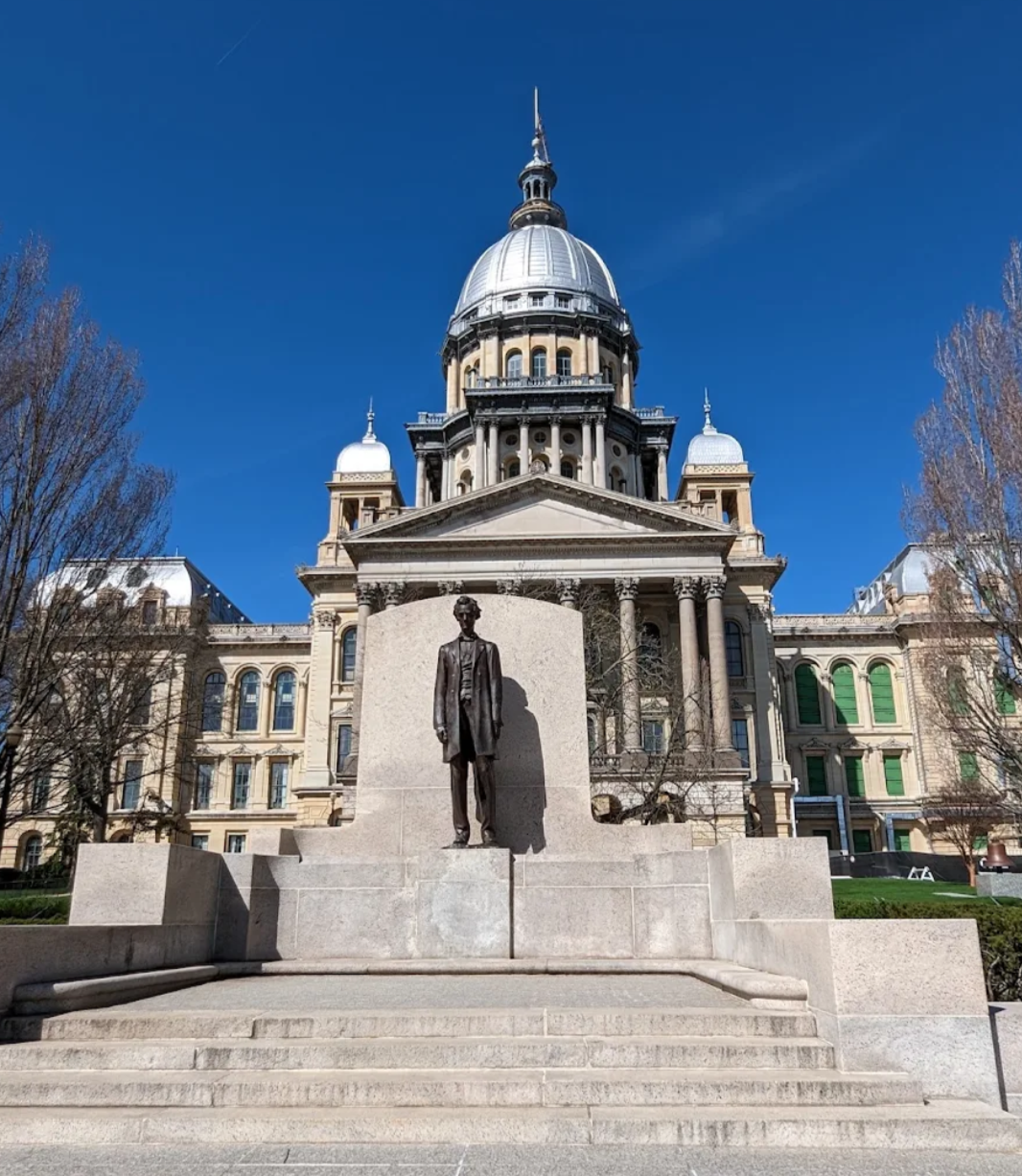
To understand the immense value of Metro West, one must first understand the fundamental dependency that local governments have on state government. In Illinois, municipalities do not operate in a vacuum; their financial health and statutory authority are deeply tethered to decisions made by the General Assembly in Springfield.
This dependency is largely defined by how the State of Illinois acts as a central tax collector—frequently retaining a share for itself before local communities ever see the revenue. Here is how this structural dynamic impacts local budgets:
1. The Local Government Distributive Fund (LGDF)
When Illinois established a state income tax in 1969, lawmakers struck a foundational deal with municipalities: in exchange for local governments agreeing not to implement their own local income taxes, the state would distribute a 10% share of state income tax revenues back to counties and municipalities. This became the Local Government Distributive Fund (LGDF).
However, over the years, the state has continually altered this arrangement to balance its own budget downstate. The state significantly reduced the local share starting in 2011, dropping it far below the original promise. Today, the municipal share sits frozen at 6.47%. This means the state continues to retain a massive share of income tax revenue that was historically intended to fund local police, fire, and infrastructure.
2. Local Sales Taxes and State Administrative Fees
In Illinois, local jurisdictions can impose additional sales taxes on top of the state’s base rate. When a consumer makes a purchase in Batavia, the business doesn’t write a separate check to the city council. Instead, the Illinois Department of Revenue (IDOR) collects the entire combined tax amount.
The state does not provide this collection service for free. IDOR retains an administrative fee (historically around 1.5%) on the locally imposed portion of the sales tax before remitting the balance back to the municipality. A portion of every local tax dollar generated by Batavia businesses is automatically siphoned off to cover the state’s administrative overhead.
3. The 2026 Grocery Tax Shift
The elimination of the 1% state grocery tax, effective January 1, 2026, is a prime example of state tax mechanics directly impacting local budgets. The revenue from this 1% tax historically bypassed the state’s general fund and was distributed directly to local municipalities.
By eliminating it at the state level, the General Assembly created a sudden revenue hole for cities across Illinois. To compensate, the state allowed municipalities to implement their own local 1% grocery tax to recover the funds. In practice, the state merely shifted the political burden of enacting the tax from state lawmakers onto local city councils.
4. Motor Fuel Tax (MFT)
Taxes paid at the gas pump are also collected centrally by the state. A portion of these funds is deposited into the state’s Motor Fuel Tax Fund and then distributed to municipalities based on population. The state retains strict control over these funds even after dispersal; the revenue is heavily restricted by state statute and must be used exclusively for state-approved local road, bridge, and transportation maintenance projects.
Amplifying Our Voice Through Metro West
Because Springfield’s fiscal policies dictate the financial health of local communities, Batavia cannot afford to sit on the sidelines. While the city retains its own dedicated lobbying firm (Raucci and Sullivan Strategies) to handle specific municipal projects, Metro West serves as our collective regional megaphone.
By combining forces with 36 other municipalities, Batavia benefits in several crucial ways:
- Protecting LGDF: Fighting to ensure the state honors its 1969 promise and doesn’t further cut the Local Government Distributive Fund to balance the state budget.
- Fighting Unfunded Mandates: Lobbying against state legislation that imposes new, expensive operational requirements on municipalities—such as Safety Act compliance costs or lead service line replacement mandates—without providing the state funding to pay for them.
- Coordinated Advocacy: Organizing “Springfield Drive Down Days” where local mayors, managers, and elected officials travel to the Capitol to meet directly with legislative leadership, state agencies, and the Governor to push our regional agenda.
Comprehensive Services and Member Programs
Beyond legislative advocacy, being a part of Metro West gives Batavia’s leadership direct access to an extensive suite of services, working committees, and vetted business partners who specialize in municipal needs. Good governance doesn’t happen in a vacuum, and MWCOG ensures communities don’t have to navigate challenges alone by providing:
- Active Working Committees: Local leaders can participate in specialized groups like the Legislative Committee, which actively monitors and evaluates the impact of pending state and federal legislation, and the Northwest Water Planning Alliance, which creates toolkits for regional water resource management.
- Research, Education, and Data: Metro West members receive technical assistance, training, and leadership development. A weekly newsletter keeps communities informed with legislative reports from lobbyists, municipal news, and upcoming grant opportunities. Furthermore, city staff can quickly poll the other member municipalities to discover how they have successfully solved similar zoning, infrastructure, or administrative challenges.
- The Business Partner Program: This program connects municipalities with vetted professionals in engineering, finance, and legal services. Through hosted field trips and direct access, cities stay updated on the latest services and state-agency initiatives that can benefit their towns.
- Networking and Relationship Building: Building strong intergovernmental relationships is facilitated through events like the Legislative Breakfast, Legislative BBQ, informal networking dinners, the Annual Golf Outing, and the MWCOG Awards and Recognition Dinner.
Ultimately, local government is the level of government closest to the people, but it is heavily restricted by state law. Membership in the Metro West Council of Governments ensures that Batavia isn’t left to navigate these state dependencies alone, providing the strength in numbers needed to protect local taxpayers and effectively steward our community.
Author: Jim Fahrenbach
Connecting the City: Local Leaders on the “Area Code: Batavia” Podcast
Leave a Reply