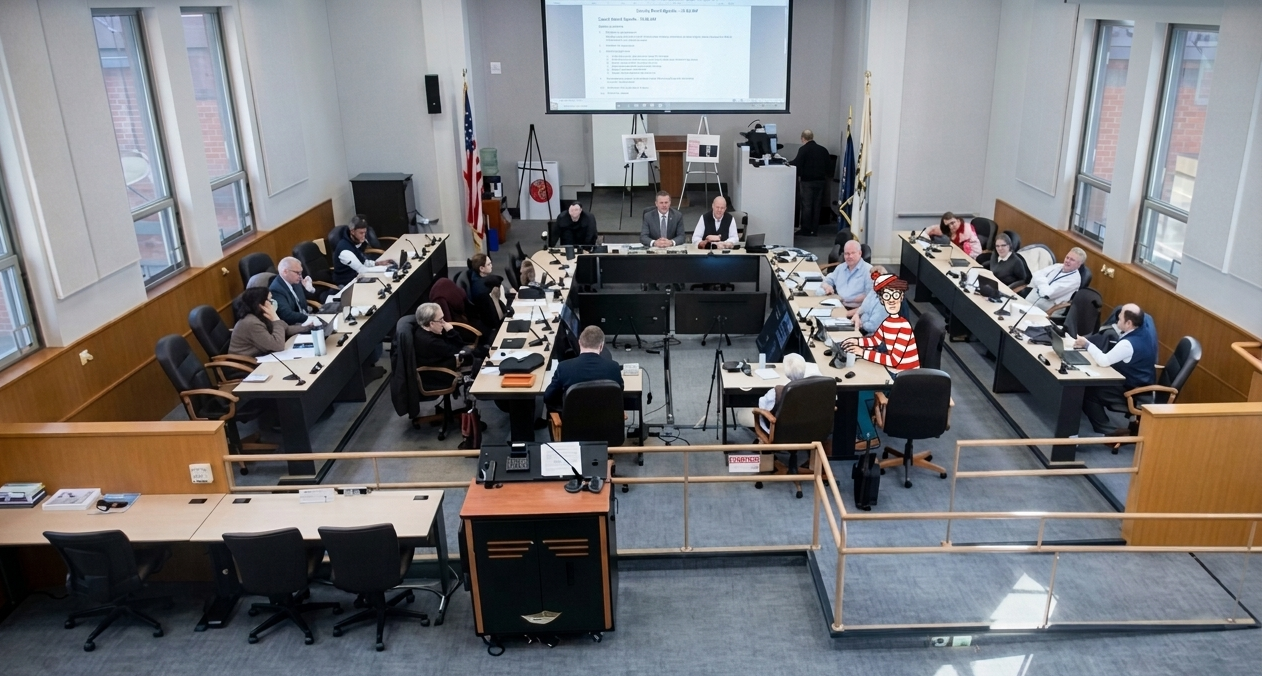
TL;DR
The Kane County Executive Committee meeting and the Kane County Board Special Meeting covered a lot of ground, kicking off with routine departmental updates on cash flow, disaster recovery efforts, and infrastructure maintenance before diving into a heavy special board session. The most significant outcome was the board passing the fiscal year 2027 budget, which sparked a healthy debate over shifting transportation funds to cover public safety costs and the mechanics of voting on a budget before setting the tax levy. Additionally, the board got a wake-up call during public comment about stalled union negotiations, prompting members to demand better internal communication from their labor management committee moving forward.
Monthly Financials & Budget Preparation
The Finance Director presented a financial update to provide the board with a clear picture of cash flow, reserve balances, and potential external risks, ensuring members are equipped to make informed decisions for the upcoming fiscal year.
- The general fund reserves currently sit at $26 million, which is below the county’s 90-day policy requirement of $32.5 million for the 2026 budget.
- The proposed 2027 draft budget utilizes zero reserves, achieving a balanced budget that could eventually allow the county to rebuild its savings.
- Salary expenditures are significantly under budget across most departments, while the transportation department is also vastly under budget due to delayed state billing and construction seasonality.
- The Finance Director warned of proposed federal grant regulations taking effect October 1st, which could allow the government to pull grants at any time and alter sub-recipient compliance requirements based on political shifts.
Public Information & Emergency Management
The Public Information Officer provided a briefing on recent community engagement and disaster recovery initiatives to ensure the board is aware of the county’s outreach efforts and the resources available to residents following severe weather.
- The state governor officially declared the recent July 4th flooding a disaster, unlocking federal small business disaster loans for affected businesses and homeowners needing repairs or refinancing.
- Two loan outreach centers are scheduled to open in local townships to assist residents with low-interest loan applications.
- The county successfully launched a flood and watershed concerns portal to help residents report drainage issues and supply data for future infrastructure improvements.
- Recent community events included a commemorative video for America 250, a successful National Night Out event, and upcoming recycling and rabies vaccination clinics.
Committee Consents & Departmental Resolutions
Various committee chairs brought forward routine resolutions to maintain essential county operations, upgrade infrastructure, and equip public safety and judicial departments with modern technology.
- The board approved an intergovernmental agreement for a “drone as first responder” program, allowing a drone to survey a three-mile radius to improve officer safety and situational awareness before a physical unit arrives on the scene.
- The transportation committee passed twelve items, including a motor fuel tax appropriation for road salt; however, a committee chair warned that road salt is facing drastic price increases and a lack of bidder responses this year.
- An intergovernmental agreement was approved with a local village to ensure safe and efficient traffic flow along key western road corridors.
- An administration committee member reported that a new ADA-compliant chairlift for the boardroom is currently out to bid and that construction on a new sheriff’s impound lot is actively underway.
- An ordinance was passed to create a new, color-coded animal control tag to easily identify dogs that are medically exempt from rabies vaccinations.
Public Comment & Labor Union Negotiations
During the special meeting, public speakers addressed the board to highlight stagnant collective bargaining agreements and demand greater financial transparency, prompting board members to confront their own internal communication gaps regarding labor management.
- A union representative for the facilities department stated that despite being the exclusive bargaining representative for two years, the union still does not have a collective bargaining agreement and feels undervalued compared to private contractors.
- A resident questioned the necessity of the 90-day reserve policy, requested accessible line-item spending dashboards, and demanded an independent estimate of costs associated with a state safety act.
- A board member expressed embarrassment over the two-year union contract delay and argued that the board’s internal labor management committee must provide quarterly or monthly progress reports to the full board.
- A motion to enter an immediate closed session to discuss the union negotiations failed, with the board opting instead to address the matter the following week when appropriate staff and attorneys are present.
Fiscal Year 2027 Budget Approval
The board engaged in a highly contested debate over a resolution to approve the 2027 fiscal budget, weighing the necessity of providing departments with early planning time against the fiscal risks and ethical concerns of reallocating dedicated transportation funds to cover public safety deficits.
- Several board members opposed voting on the budget without first passing the tax levy, arguing that a failed levy vote in the future would instantly unbalance the newly approved budget.
- A committee chair defended the early budget vote, stating it provides department heads three to four months to strategically plan for requested 5% budget cuts and manage headcount reductions through natural attrition rather than immediate layoffs.
- Intense debate focused on the decision to reallocate $7.1 million in transit sales tax revenue away from the transportation department to cover public safety deficits, which was only partially backfilled by a $6.3 million increase in the motor fuel tax.
- Board members warned that diverting transportation funds will delay necessary infrastructure projects, specifically noting a major road expansion estimated by consultants to cost over $1 billion.
- A board member criticized the budget as over-reliant on taxing the public—citing property, grocery, and motor fuel taxes—to fund public safety initiatives that voters had previously rejected via referendum.
- Despite the concerns raised, the budget resolution ultimately passed with 13 affirmative votes.
Kane County Executive Committee Updates: 2027 Draft Budget & Spending Debates
Author: Jim Fahrenbach
Leave a Reply