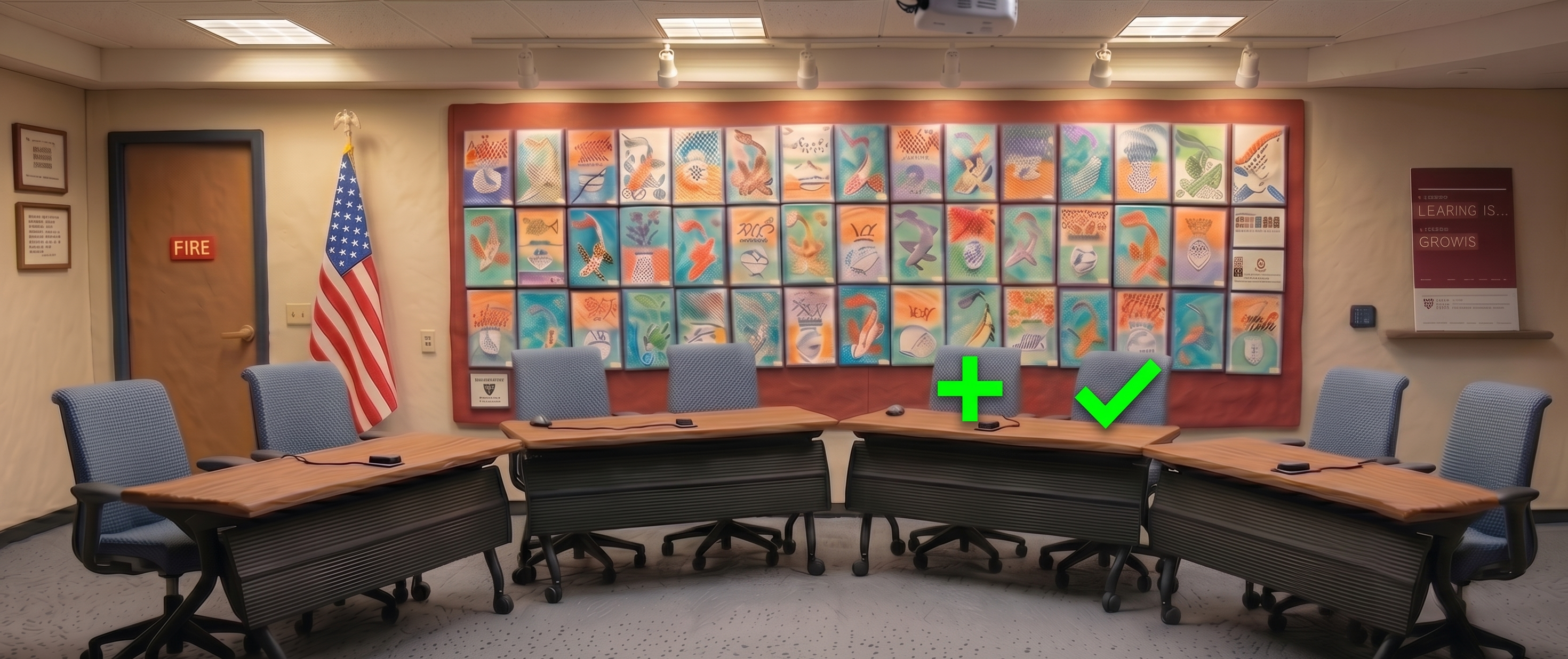
The Board of Education met on June 23, 2026 to review health outreach initiatives, dive into the district’s instructional technology footprint, and set the wheels in motion for the upcoming fiscal year’s budget. A major theme of the evening was a strong push from parents to rein in student screen time and limit unrestricted device usage in classrooms. The most significant outcome of the meeting was the official swearing-in of Tara Gray to fill a vacant board seat, with one more seat waiting to be filled and under review.
Celebrations and Recognitions
The district highlighted the collaborative efforts of its health services and community outreach staff to eliminate barriers to comprehensive medical care for vulnerable families. The presentation underscored the community’s reliance on public agencies and the district’s proactive approach to addressing student exclusions caused by a lack of medical compliance.
- Nearly 19% of the student population is eligible for federal subsidies, which correlates with difficulties in accessing health care.
- Mobile health fairs hosted at local schools and housing facilities provided 89 dental exams, 30 physicals and immunizations, and mental health services for 31 students.
- The district successfully expanded its partnerships to include vision screenings and free glasses, alongside food assistance and summer camp registrations.
Public Comment
Six community members utilized the public comment period to advocate for stricter guidelines and oversight regarding technology use and screen time within the classroom. The gist of their collective statements focused on the negative impacts of unrestricted device access—such as shortened attention spans, exposure to inappropriate content, and the physical strain of carrying laptops home—while urging the board to prioritize traditional, paper-based learning and outdoor play.
- Six parents and representatives of a community advocacy group spoke directly to the board, presenting a united front on the issue of digital distraction.
- Speakers highlighted specific concerns, including students bypassing web filters to play games, the ineffectiveness of digital math and reading software, and a recent fourth-grade incident involving exposure to pornographic content.
- Over 600 signatures were collected by a parent-led group demanding explicit, district-wide technology policies, including a complete ban on YouTube for student accounts, an option to opt out of bringing Chromebooks home, and preventing devices from being used as behavioral rewards or recess alternatives.
Consent Agenda and Administrative Updates
The board grouped routine operational, personnel, and financial items into a consent agenda for efficient approval while reviewing updates on curriculum adjustments and grant applications. This allowed the administration to outline staffing successes and new instructional approaches without requiring extensive individual debate.
- The board unanimously approved the consent agenda, successfully securing software renewals and a consolidated federal grant application covering various Title funds.
- The administration reported strong staffing levels for the upcoming year, noting that the district will not need to utilize contracted paraprofessionals.
- An update on the science curriculum detailed a shift toward inquiry-based learning, with field testing of new resources scheduled for middle and high school classrooms.
- The administration confirmed that revenue collections and tax distributions are aligning with seasonal budgetary expectations.
Instructional Technology Report
Responding to parent inquiries and broader educational trends, the administration provided a review of the district’s current technology deployment to foster a collaborative dialogue on striking the right balance between digital and analog instruction. The discussion aimed to acknowledge public concerns while contextualizing how incoming curricula will naturally shift classroom dynamics.
- The administration noted that upcoming adoptions of new workbooks and physical curriculum materials are expected to organically reduce overall daily screen time.
- Currently, only the full-day kindergarten program has an established daily limit of 30 minutes for digital device usage.
- Board members requested that the administration provide an annual summary of technology usage to establish baselines and monitor longitudinal trends.
- Both the board and administration agreed that technology should be utilized strictly for intentional instruction and targeted academic support, rather than as a classroom management tool.
2027 Tentative Budget
The administration presented a tentative financial roadmap to fulfill statutory requirements for public transparency while introducing a new, simplified dashboard intended to help taxpayers easily digest complex revenue and expenditure data. The presentation focused on contextualizing deficit spending tied to necessary structural improvements.
- The board unanimously authorized placing the tentative budget on public display for community review ahead of formal adoption.
- The budget projects $132 million in revenue and $136.3 million in expenditures, relying on existing fund balances to cover major infrastructure and facility repair projects.
- Approximately 73% of the district’s operating revenue is generated through local property taxes.
- Projections indicate that the district’s financial reserves may dip below the board-mandated 25% minimum threshold by 2030, signaling a need for proactive fiscal adjustments.
Student Handbook Revision
The administration proposed updating the unified student handbook to improve user accessibility and ensure that district policies remain accurate and easily updatable across digital platforms. The shift aims to replace static documents with mobile-friendly web links that reflect real-time procedures.
- The board unanimously approved the revised handbook framework for the upcoming school year.
- Operational guidelines, such as parking and dismissal procedures, will now link directly to individual school websites to prevent conflicting information.
- Language was added to clarify procedures surrounding student protests and civil disobedience.
Security Camera Replacements
The administration requested funding to modernize failing surveillance infrastructure to enhance building security, maintain reliable facility monitoring, and replace analog equipment that has reached the end of its functional life.
- The board unanimously authorized $125,635.71 for the procurement and installation of approximately 130 new security cameras.
- The updated equipment replaces 20-year-old analog models prone to weather-related failure and moisture damage.
- The modern devices include built-in heating elements, multi-view lenses, and the ability to receive remote software updates.
RAMP Data Sharing Agreement
The board reviewed a proposed regional partnership designed to track the post-secondary trajectories of district graduates. The initiative seeks to bridge the information gap between high school completion and collegiate success to inform and improve current high school programming.
- The board unanimously authorized the execution of the data-sharing agreement with a regional university and peer school districts.
- The partnership will provide critical analytics regarding the conversion rates of high school dual-credit courses to actual collegiate success.
- The data will help administrators identify if graduating students require costly, non-credit remedial coursework at the community college level.
Board Vacancy Appointment
Following a member’s resignation, the Board of Education executed its legal responsibility to appoint a qualified replacement to maintain full community representation and steady leadership through the upcoming academic year. The process involved evaluating 22 community applicants to identify a candidate with optimal civic experience to serve out the term. One more member needs to be appointed to fill both vacancies.
- The board unanimously appointed Tara Gray to serve the remainder of the vacated term until the April 2027 consolidated election.
- Gray is a highly qualified professional fit for the role; she is a University of Illinois Urbana-Champaign graduate and an experienced Program Manager at Cambium Assessment, demonstrating strong professional capabilities in educational management and student assessment.
- She brings exceptional governance experience to the board, having previously served two full terms (12 years) as a Commissioner for the local Park District. This background demonstrates a deep proficiency in municipal budgeting, community engagement, public programming, and managing taxpayer assets.
- As a 22-year local resident with a high school junior and a college sophomore, Gray is highly invested and provides an actively engaged parent perspective to district governance.
- During her swearing-in, Gray officially took the oath of office, swearing to faithfully discharge her duties, protect taxpayer assets, respect free expression, and support the equitable and quality education of every student.
Agenda: https://bps-101.community.diligentoneplatform.com/Portal/MeetingInformation.aspx?Org=Cal&Id=383
Author: Jim Fahrenbach

Leave a Reply