Given all the conversation around the electrical infrastructure in Batavia, worth pointing out the study done by the University of Illinois at Chicago (UIC) on our infrastructure back in 2023-2024.
The report titled “Batavia: Mapping for a Resilient and Sustainable Future,” developed by a UIC capstone team (Mitch Dickey, Jack Bielak, and Ricardo Garcia) in collaboration with the City of Batavia, investigates the current health, financial status, and future demands of the city’s publicly owned electrical grid.
Here is a summary of the report’s major findings and strategic recommendations for upgrading Batavia’s electrical infrastructure.
Major Findings
1. Climate Change and Natural Hazards
The report highlights that climate change is exacerbating the frequency and intensity of extreme weather events in the Midwest. Rising temperatures are directly correlated with a surge in electricity demand, primarily driven by the need for cooling during hotter summers. This growing demand places significant strain on the existing energy infrastructure, making climate resilience a top priority for the city.
2. Infrastructure Health Assessment
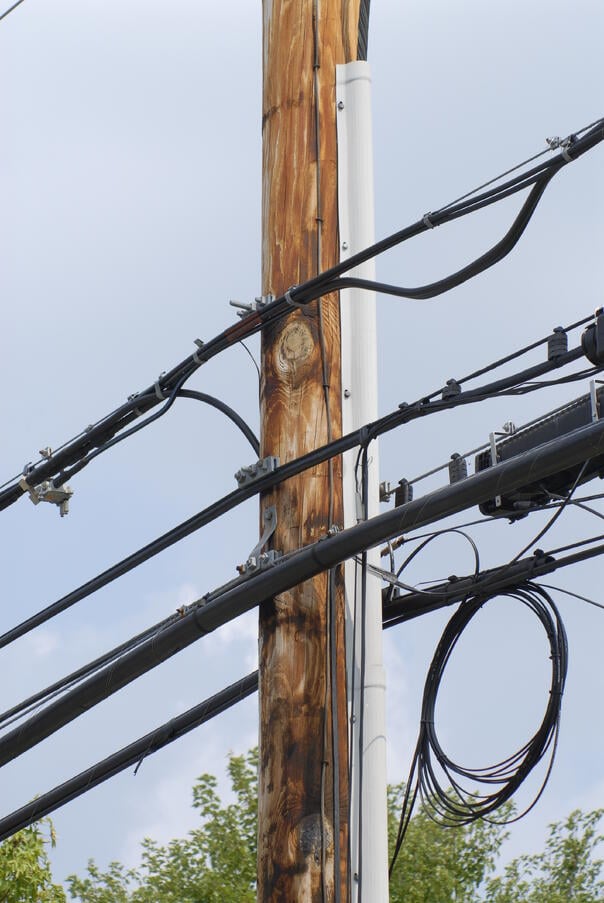
A critical component of the grid’s resilience is its physical infrastructure. Batavia currently utilizes more than 400 overhead wooden utility poles. While cost-effective, wooden poles are susceptible to extreme weather and decay. The industry standard lifespan for these poles is 50 to 60 years. The assessment found that a significant portion of Batavia’s poles are either approaching or already within this lifespan window. While age alone does not guarantee failure, it necessitates urgent, individual assessments for decay.
3. Financial Stability and Projections
The city’s utility demonstrates a strong financial foundation. Revenues have grown from roughly $37.8 million in 2008 to $50.3 million in 2023, while expenses have remained relatively flat (rising from $32.9 million to $42.2 million in the same period). Looking ahead, the report forecasts a steady average fund balance of $1,631,982 annually between 2024 and 2034 under normal conditions. If consumption grows by 14% to 22%, the city can expect average net revenues between $1.86 million and $1.99 million. This steady stream of revenue provides a crucial financial reserve for necessary infrastructure investments.
4. Consumption Trends and Future Demand
While overall energy consumption has remained relatively stable (between 450,000 and 500,000 Megawatt hours) since 2006, future projections indicate a sharp increase. As communities transition away from fossil fuels and natural gas, the U.S. Energy Information Administration projects a significant rise in purchased electricity through 2050. To accommodate this, Batavia must prepare to supply between 108.3 million and 115.9 million Kilowatt hours annually for residential use by 2050. Because the lower end of this projection is higher than any year of residential consumption recorded between 2008 and 2023, system-wide improvements will be mandatory.
Strategic Recommendations
To meet future demands and mitigate environmental risks, the report recommends the following actionable steps:
Systematic Evaluation and Replacement: Establish a proactive, continuous evaluation plan to detect and replace decaying wooden utility poles before they fail during severe weather events.
Dedicated Financial Planning: Leverage the projected net positive revenues to build sufficient financial reserves specifically earmarked for infrastructure replacement and grid modernization.
Invest in Resilience and Sustainability: Prioritize infrastructure upgrades that harden the grid against flooding, heat waves, and storms. Furthermore, investing in renewable energy sources and energy-efficient technologies will help safely absorb growing electricity demands while advancing long-term sustainability goals.
By proactively addressing these areas, the City of Batavia can leverage its publicly owned utility to control growth, manage rates, and ensure a resilient power supply for its residents well into the future.
Author: Jim Fahrenbach
LINK: https://storymaps.arcgis.com/stories/7f2dd887bfc84f04b11a26cebd935c56
Leave a Reply