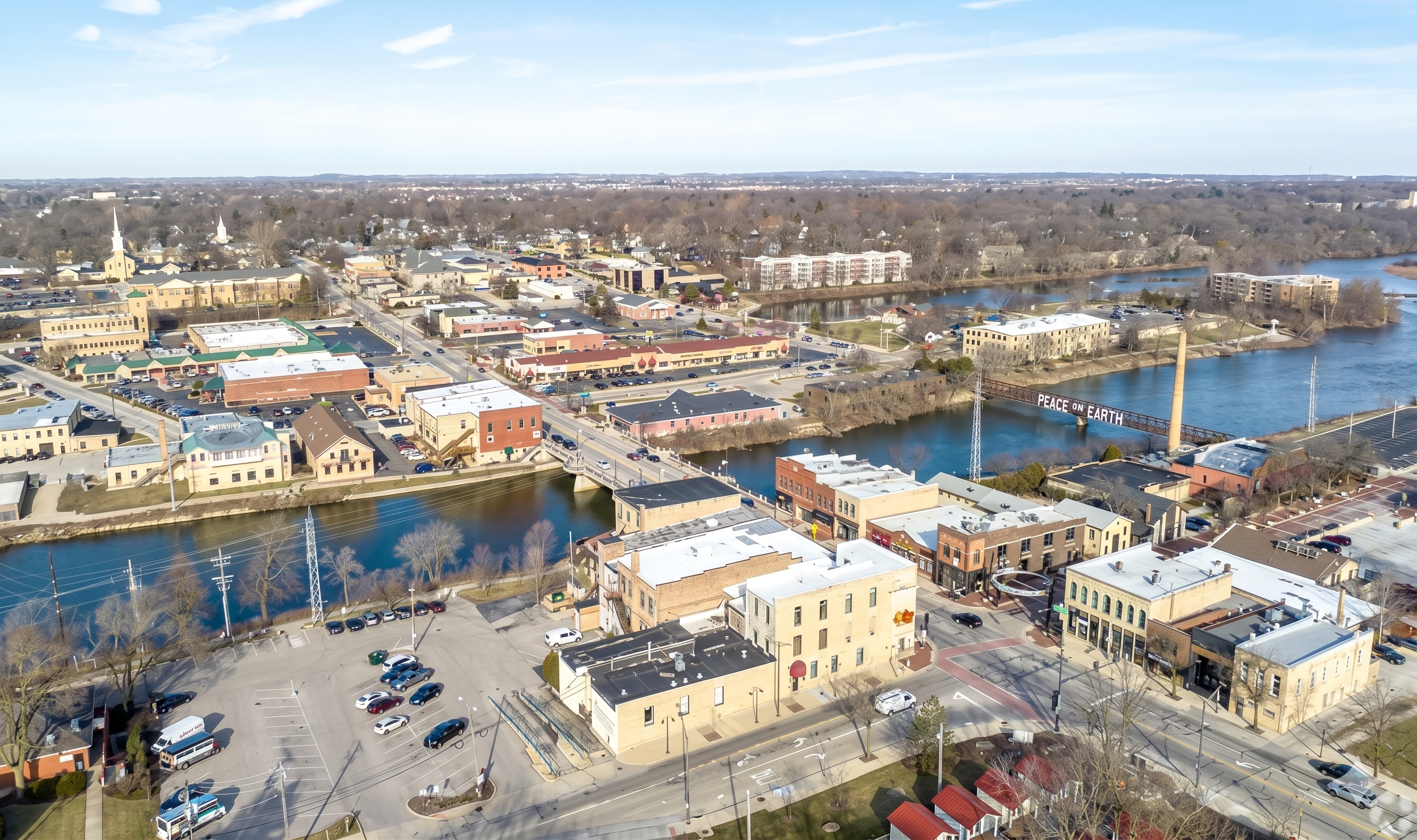
The announcement of the closure of Pal Joey’s (https://www.paljoeys.com/) on North River Street this week serves as a poignant reminder of the realities of operating a business in a 19th-century building. While historic structures offer undeniable charm, they can carry steep maintenance costs, aging utilities, and expensive safety retrofits.
As Batavia bids farewell to a decades old dining staple, the city is pursuing a balanced strategy to revitalize downtown: saving the buildings that can be preserved, clearing unsafe hazards, and making strategic economic investments to ensure a vibrant commercial future.
Historic Preservation & Adaptive Reuse
Batavia has seen success in repurposing historic architecture for modern commercial use, proving that heritage and economic growth can coexist.
- Sturdy Shelter Brewing (10 Shumway Ave): In a remarkable adaptive reuse project, a historically significant 1880s opera house and former theater was transformed into modern office space and then a popular craft brewery. The renovation carefully preserved original historical elements—including side walls and structural character—while creating a vibrant community gathering space enhanced by modern outdoor decks.
- JT’s Tavern & Tap (113 S. Batavia Ave): Providing a much-needed facelift along Route 31, the owners completed an extensive interior and exterior remodel of the former Full Moon Bar & Grill. The renovation refurbished the 1950s-era back bar to create a Prohibition-era vibe, successfully transforming a very dated establishment into a welcoming neighborhood tavern and tap.
- The Lincoln Atrium (30 N. Lincoln St): This long-vacant historic church was saved and transformed into an award-winning, 8,050-square-foot modern office space featuring a stunning two-story glass atrium.
- The Comedy Vault (18 E. Wilson St): Highlighting how unique architectural elements can become major commercial draws, this renovated historic bank was converted into an intimate, nationally recognized comedy club. The owners preserved the building’s core aesthetic, going so far as to build the club’s bar directly inside the original, heavy metal bank vault.
- The Newton House (11 N. Batavia Ave): Built in 1878, this Victorian-era residence and former library was meticulously restored. It now serves as a dynamic professional hub while preserving its original woodwork and mansard roof.
- The GOAT Burger + Cocktail Bar (107 E. Wilson St): Proving that difficult renovations yield great rewards, the owners successfully overhauled a dated insurance office space and apartment into what is now a thriving, modern burger and cocktail bar that acts as a cornerstone of downtown dining.
- Riverside Pizza & Pub (142 W. Wilson St): In a striking structural makeover, a portion of the former downtown Walgreens was completely transformed into an appealing sports bar and restaurant, repurposing an empty commercial footprint into a lively community hub.
- Industrial Conversions & Tech Investment: Private investments, backed by strategic city support, are breathing new life into Batavia’s manufacturing past. The city approved a $1.86 million TIF incentive to support QT9 Software’s $12 million adaptive reuse of the 100-year-old former Pamarco factory at 190 S. Water Street. This transformation of a dilapidated, roofless shell into a sleek global headquarters brings a fast-growing tech firm and roughly 70 employees to downtown, significantly increasing the property’s assessed value while preserving its historic industrial bones. Additionally, Warehouse 55 has converted a historic warehouse at 160 1st Street into a thriving home décor marketplace.
Stricter Oversight & Necessary Clearances
When dealing with century-old infrastructure, knowledge and safety are paramount. The city is taking a proactive approach to managing its aging building stock.
- Proactive Assessments & Enforcement: The City of Batavia is funding professional structural and environmental assessments of aging downtown properties to quantify needed repairs. Simultaneously, stepped-up code enforcement is pushing owners to address deferred maintenance, safeguarding the public and nudging property owners toward making buildings usable again.
- Targeted Hazard Demolitions: In cases of severe decay where buildings pose immediate public safety hazards, targeted demolitions are necessary to clear the way for new opportunities. Recently approved removals include the long-vacant Hubbard (Ethan Allen) building at 14-18 North Batavia Avenue, the structurally unsound WWII-era Quonset hut on North Water Street, and the necessary removal of a severely deteriorated 111-foot historic brick smokestack at the Pal Joey’s site that could no longer be safely preserved.
- From Tin Shop to River Street Plaza: Following the reluctant but necessary demolition of the 1890s tin shop at 102 North River Street due to structural failure, the city is transforming the cleared site into the North River Street Plaza. Approved in early 2026, this public space will feature decorative pavers, seating, and shade landscaping to boost foot traffic and support community events.
Economic Investment & Market Realities
To overcome the financial barriers of remodeling historic properties, Batavia leverages strategic incentives and incubator programs.
- Prime Riverfront Developer Interest: There is active developer interest in the economic potential of Batavia’s downtown. The city is currently fielding interest and inviting proposals for prime city-owned parcels, specifically targeting the prominent area right next to the incoming River Street Plaza and a site directly across from the Depot Museum.
- Upscale Dining Grants: Recognizing the high costs of code compliance and interior overhauls, the city advanced a $150,000 redevelopment grant to bring a new upscale restaurant to the vacant Thorabella’s site at 15 East Wilson Street. This public-private partnership bridges the financing gap to activate a prominent downtown corner.
- Boardwalk Shops Incubator: Partnering with Batavia MainStreet, the city utilizes cottage-style “micro storefronts” to lower the barrier to entry for local entrepreneurs. This incubator allows start-ups to test retail concepts and build a customer base before graduating into permanent downtown leases.
- Navigating Regional Competition: While city officials and MainStreet aggressively market available historic properties, they face stiff competition from neighboring Fox Valley towns offering cheaper, “turnkey” commercial spaces. Batavia counters this dynamic by improving downtown amenities and offering targeted financial grants to level the playing field for investors willing to undertake rehab projects. Additionally, working to attract property owners who can afford to remodel existing historic properties.
Sustaining the Momentum
The push to revitalize Batavia’s core requires constant coordination and long-term vision.
- “All Things River Street”: The City Council is actively reviewing major district initiatives in dedicated upcoming meetings, ensuring coordinated progress on plaza construction, riverfront enhancements, and redevelopment sites.
- Future Funding Tools: To sustain this momentum, Batavia is exploring additional financial mechanisms—such as establishing a new Tax Increment Financing (TIF) district—to channel future tax revenues directly into downtown infrastructure and ongoing redevelopment. Although controversial, this is sometimes required to “de-risk” projects for developers and make Batavia competitive vs nearby communities.
While the challenges of historic preservation are complex, Batavia’s multi-pronged approach ensures that the downtown district will continue to evolve into a safe, dynamic, and economically robust destination.
Author: Jim Fahrenbach
Leave a Reply